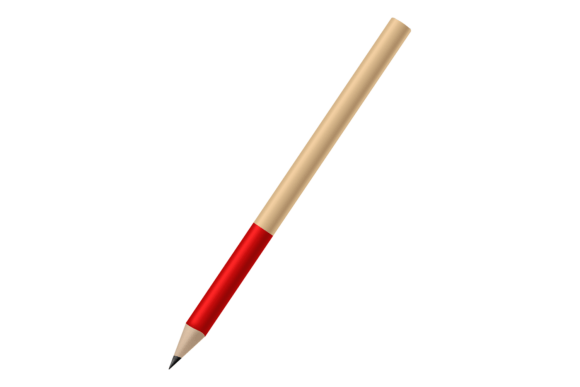
Pencil Mockup: Realistic Wooden Graphite and the Evolution of Digital Stationery
In an era dominated by sleek, minimalist digital interfaces and abstract iconography, there is a surprising resurgence in the demand for tangible texture. The Pencil Mockup. Realistic Wooden Graphite has emerged not merely as a static image file, but as a critical asset for designers, educators, and marketers seeking to bridge the gap between the digital and physical worlds. This specific visual representation—a high-fidelity rendering of a classic wooden graphite object—serves as more than just a design element; it is a symbol of craftsmanship, education, and enduring creativity. As workflows evolve and user expectations shift towards authenticity, the ability to present ideas through realistic stationery mockups has become a cornerstone of effective visual communication.
The Anatomy of Authenticity in Digital Design
At its core, a Pencil mockup. Realistic wooden graphite object for drawing and writing is a sophisticated blend of art direction and technical precision. Unlike flat vector icons that strip away context, these mockups capture the intricate details that define the real-world experience of using a pencil. They render the grain of the wood, the subtle imperfections of the painted barrel, the metallic ferrule holding the eraser, and the sharp, textured tip of the graphite itself. For professionals working in branding or product presentation, this level of detail is non-negotiable. It provides a sense of weight and presence that flat graphics simply cannot achieve.
The relevance of such assets lies in their ability to ground digital concepts in physical reality. When a designer presents a new logo or a sketch concept on a realistic piece of paper held by a wooden pencil, the viewer immediately understands the scale, utility, and human element of the work. This is particularly vital in sectors like education and creative arts, where the tool itself carries significant cultural weight. The Pencil Mockup. Realistic Wooden Graphite acts as a visual shorthand for learning, ideation, and the raw process of creation. It transforms a sterile screen into a workspace that feels familiar and inviting.
Technical Specifications and Workflow Integration
From a practical standpoint, the utility of these mockups depends heavily on their format and flexibility. Modern workflows require assets that are versatile enough to adapt to various mediums while maintaining high fidelity. The industry standard for these illustrations often includes design vector 3d isolated illustration EPS files alongside raster formats like JPG. The EPS format allows for infinite scalability without loss of quality, making it ideal for large-scale print applications or detailed vector editing. Conversely, the JPG version offers immediate compatibility with web-based platforms and social media channels where file size and loading speed are paramount.
For freelancers and business owners, having access to both formats streamlines the production pipeline. A marketing team can quickly drop a brand identity onto a realistic wooden graphite background for a social media campaign using the JPG, while a print designer can manipulate the vector layers to adjust lighting, shadows, and perspective for a brochure cover. This dual-format availability ensures that the asset remains useful across the entire spectrum of modern content creation, from rapid prototyping to final production.
Shifting Trends: Why Texture Matters Now More Than Ever
The rise in popularity of realistic stationery mockups reflects a broader cultural shift towards nostalgia and tactile experiences. In a digital landscape often criticized for feeling cold and impersonal, audiences are increasingly drawn to visuals that evoke warmth and humanity. The Pencil Mockup. Realistic Wooden Graphite taps into this sentiment by celebrating the analog roots of creativity. It reminds users of the days when every line was deliberate, every mistake required erasing, and every idea began with a simple wooden stick and a graphite core.
This trend is evident in the changing habits of creators and entrepreneurs. Where once the focus was entirely on futuristic, glossy aesthetics, there is now a strong preference for "analog-digital" hybrids. Think of the surge in bullet journaling, the return of fountain pens, and the popularity of sketching apps that mimic paper textures. These movements indicate a desire for tools that feel grounded. By incorporating a realistic wooden graphite object into their visual identity, businesses signal that they value tradition, quality, and the human touch behind their innovations.
Furthermore, the evolution of 3D rendering technology has made these mockups accessible to a wider audience. What once required expensive software and advanced modeling skills can now be achieved with pre-made, high-quality templates. This democratization of design tools means that small business owners and hobbyists can produce professional-grade visuals that compete with larger agencies. The barrier to entry has lowered, but the expectation for quality has risen, driving the demand for premium assets like the Pencil mockup. Realistic wooden graphite object for drawing and writing.
Educational Symbolism and Brand Storytelling
Beyond mere aesthetics, the pencil serves as a powerful educational symbol. In the context of schools, tutoring centers, and online learning platforms, the image of a sharpened graphite pencil is universally recognized as a sign of knowledge and growth. Using a Pencil Mockup. Realistic Wooden Graphite in educational materials helps establish trust and authority. It visually reinforces the message that learning is a hands-on, active process.
For brands looking to tell a story about innovation or problem-solving, the pencil offers a compelling narrative device. It represents the first step in any journey—the initial spark of an idea before it becomes a complex reality. Whether illustrating a case study, a whitepaper, or a blog post about strategic planning, placing text or diagrams next to a realistic pencil creates a subconscious association with clarity, focus, and preparation. It suggests that the content presented is well-thought-out and carefully crafted, much like a precise sketch.
Practical Implications for Creators and Businesses
Integrating realistic mockups into your workflow offers tangible benefits for professionals across various industries. For graphic designers, it enhances the presentation of portfolios. Instead of showing a flat logo file, presenting the logo sketched on a notebook with a wooden pencil nearby adds depth and context. It shows how the brand might look in the real world, helping clients visualize the end result more effectively.
Marketers and bloggers can leverage these assets to increase engagement. Content that features realistic imagery tends to perform better because it captures attention and holds it longer. A headline accompanied by a high-resolution image of a school office stationery setup, featuring a realistic wooden graphite pencil, feels more relatable than a generic stock photo of a computer screen. It invites the reader into a scene rather than just presenting information.
Entrepreneurs launching new products, particularly those related to education, art supplies, or lifestyle, can use these mockups for packaging design and promotional materials. The ability to isolate the pencil against a clean background (as found in design vector 3d isolated illustration files) allows for seamless integration into complex layouts. This flexibility ensures that the visual identity remains consistent whether the asset is used on a website, a business card, or a billboard.
Recommendations for Effective Usage
To maximize the impact of a Pencil Mockup. Realistic Wooden Graphite, consider the following best practices:
- Maintain Contextual Consistency: Ensure the style of the mockup matches the overall tone of your project. A hyper-realistic pencil may clash with a purely abstract or neon-themed design unless used intentionally for contrast.
- Leverage Lighting: Use the shadow and light properties inherent in 3D mockups to create depth. Adjusting the angle of the light source can dramatically change the mood of the image, making it feel warm and inviting or stark and professional.
- Combine Formats Strategically: Utilize EPS files for print projects where resolution is critical, and reserve JPG versions for digital campaigns where quick load times are essential. Always check the DPI settings to ensure crispness on all devices.
- Focus on the Narrative: Don't just place the pencil randomly. Position it to suggest action—perhaps resting on a sketchpad, pointing at a key insight, or lying next to other creative artist tool elements. This storytelling approach makes the image more memorable.
Looking Ahead: The Enduring Value of Classic Tools
As technology continues to advance, the allure of the classic pencil remains undiminished. While tablets and styluses offer incredible versatility, they cannot fully replicate the sensory experience of graphite on paper. The Pencil Mockup. Realistic Wooden Graphite captures this unique essence, preserving it for digital consumption. It stands as a testament to the fact that some tools, despite centuries of technological progress, remain indispensable.
For the future of design and communication, the integration of such realistic assets will likely continue to grow. As virtual and augmented reality environments expand, the need for objects that feel "real" within those spaces will become even more pronounced. The transition from 2D vectors to 3D isolated illustrations marks a significant step in this direction, allowing creators to build immersive experiences that respect the history of human expression.
Ultimately, whether you are an educator trying to inspire students, a marketer aiming to connect with an audience, or a designer refining a brand identity, the Pencil mockup. Realistic wooden graphite object for drawing and writing offers a versatile and meaningful solution. It bridges the past and the present, offering a visual language that speaks to our shared appreciation for simplicity, creativity, and the enduring power of a good idea.